

As the world observes 16 Days of Activism Against Gender-Based Violence, I am reminded of a video that recently trended in my country. It showed a man on a bicycle taxi, locally known as a kabaza, with a young girl who appeared to be around 5 to 7 years old.
The video captured the man stopping to drink from the girl's bottle and eating her food. Some viewers were outraged, criticizing him for taking food from a child's bag, while others speculated that he might have been her father. Regardless of the relationship, the video sparked critical conversations about trust, safety, and the vulnerability of children, especially young girls.
This incident struck a chord with me. Many parents rely on kabaza operators to take their children to school. While these operators are often trusted members of the community, it's vital to reassess the safety of such arrangements. In today's world, young girls, particularly those too young to voice their experiences, are at heightened risk of abuse. Whether it's defilement, neglect, or inappropriate behavior, these children often suffer in silence.
I don't have children of my own, but I've watched my younger sisters grow, and I've seen the innocence and vulnerability of my nieces. It pains me to know that every day, countless girls experience abuse, often at the hands of those closest to them—family members, neighbours, or trusted caregivers.
Parents and guardians, we must prioritize our children's safety. Make time each day to talk to them about their experiences. Ask them how their day was, who they interacted with, and how they felt. Open communication builds trust and encourages children to speak up about anything troubling them. Be vigilant about who you entrust with your child's care.Whenever possible, ensure that a family member or trusted female companion is responsible for tasks like school drop-offs. Trust should never be given blindly, especially when it concerns a child's well-being.
But this is not just a parental responsibility—society also has a critical role to play. We must advocate for stricter measures to vet caregivers, educate communities about gender-based violence, and create safer environments for our children. Awareness campaigns must stress the dangers of relying on unverified individuals and promote the importance of vigilance.
Let us raise our voices to empower and protect every child, particularly our girls, from abuse and violence. Together, we can create a future where all children grow up in safety, dignity, and freedom. The responsibility starts with us today.

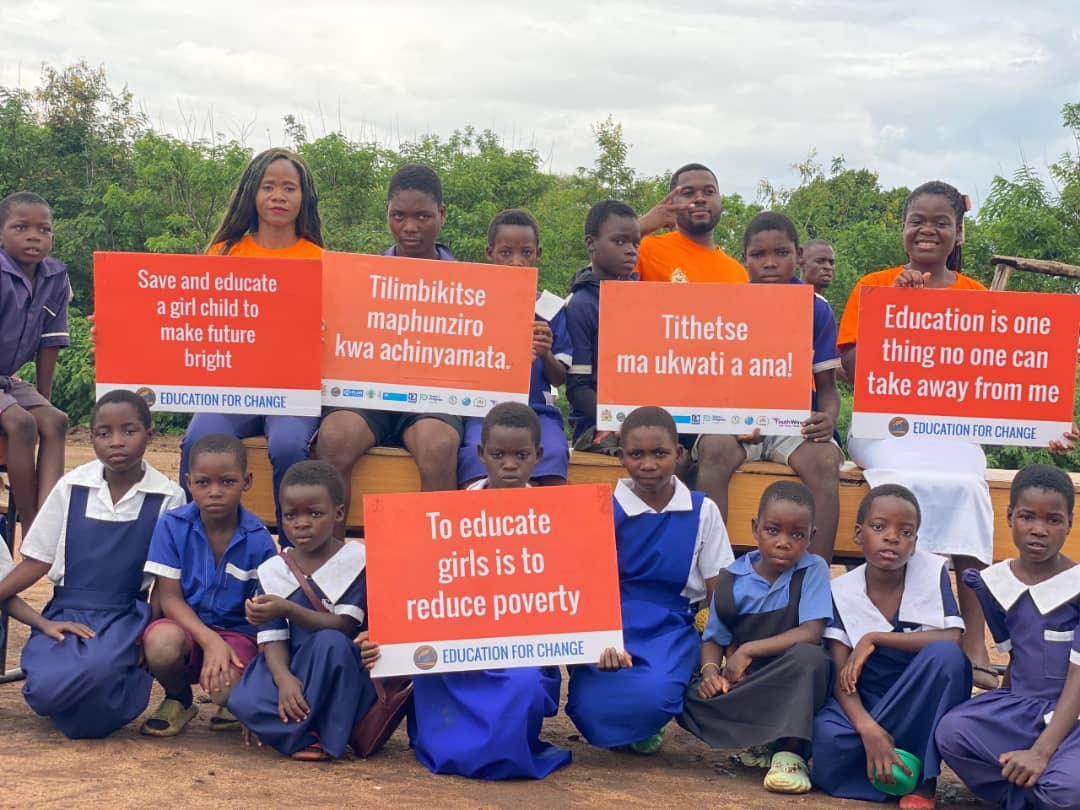
Children holding placards with messages against GBV during the launch of the 16 days of Activism at Mazengera Primary School(Photo by Girls 4 Change)
But this is not just a parental responsibility—society also has a critical role to play. We must advocate for stricter measures to vet caregivers, educate communities about gender-based violence, and create safer environments for our children. Awareness campaigns must stress the dangers of relying on unverified individuals and promote the importance of vigilance.
As we commemorate the 16 Days of Activism, let this story be a call to action. Protecting children requires collective effort. Parents, educators, community leaders, and policymakers must work together to safeguard our children from harm.

Police Officers standing in solidarity with young girls to combat gender-based violence
Let us raise our voices to empower and protect every child, particularly our girls, from abuse and violence. Together, we can create a future where all children grow up in safety, dignity, and freedom. This journey begins with us—parents, educators, leaders, and community members by taking action today.
We must strengthen efforts to promote awareness, enforce child protection laws, and provide safe spaces where children can thrive. Investing in education and life skills for girls is crucial, as it equips them with the tools to build better futures and break cycles of abuse and poverty. Addressing harmful cultural practices, such as child marriage and gender-based violence, must remain a priority.
When we work collectively, championing equal opportunities, fostering resilience, and amplifying the voices of children,we pave the way for a world where every child can reach their full potential. The responsibility is ours; the time to act is now.
Leave a Comment
Your email address will not be published. Required fields are marked *
Recent Posts

Awareness
IT FEELS GOOD TO BE PART OF NVAK MALAWI 2019 TEAM
July 17, 2025

Awareness
16 Days Of Activism: A Call To Protect Our Girls Against Gender Based Violence
July 16, 2025

Awareness
EMBRACING OUR POWER: Amplifying the Voices of Malawian Women
July 16, 2025

Health & Wellness
Empowering Malawi through Breast Cancer Awareness
July 16, 2025

Career
Malawi's Women Have the Numbers-Now Let's Get the Seats
July 16, 2025
Featured Posts
Comments (0)
No comments yet. Be the first to comment!